01
Draw In Humid Air
Air containing water vapor enters the system. The amount of available moisture depends on the local temperature and relative humidity.
Explore Smart Water Box, a DIY digital guide introducing atmospheric water generation and the steps involved in planning a system that collects moisture from the surrounding air.
This is a guide-based DIY concept, not a confirmation that a finished water-producing appliance is included.

Review the guide and its contents before deciding whether it suits your needs.
Atmospheric water generation, often shortened to AWG, is a process that collects moisture from air and condenses it into liquid water. Smart Water Box introduces this concept through a DIY-oriented guide intended to help readers understand the approach and plan a build.
Rather than assuming that every setup performs the same way, it is important to consider local humidity, temperature, energy supply, materials, maintenance, and the treatment needed for the intended water use.
The underlying concept involves collecting moisture from air. A practical system must be designed around its environment, energy requirements, and water-quality needs.
Air containing water vapor enters the system. The amount of available moisture depends on the local temperature and relative humidity.
A suitable cooling or condensation process brings water vapor together as liquid droplets. This stage requires an appropriately designed system and energy source.
Collected water needs suitable treatment, hygienic handling, and appropriate storage before it can be considered for drinking.
Use the guide as a starting point for understanding the project, evaluating its requirements, and deciding whether a DIY approach fits your situation.
Explore the guide's instructions to understand the proposed build process and the sequence of tasks involved.
Review the listed components and tools, then assess their availability, compatibility, cost, and intended use.
Account for the cost of parts, electricity, replacement items, testing, and maintenance before starting the project.
Understand why collection surfaces, treatment methods, clean storage, and water-quality testing matter.
Plan for assembly time, ongoing checks, environmental limitations, and the possibility that output may vary considerably.
Consider whether an AWG project suits your location, available power, ventilation, and wider self-reliance goals.
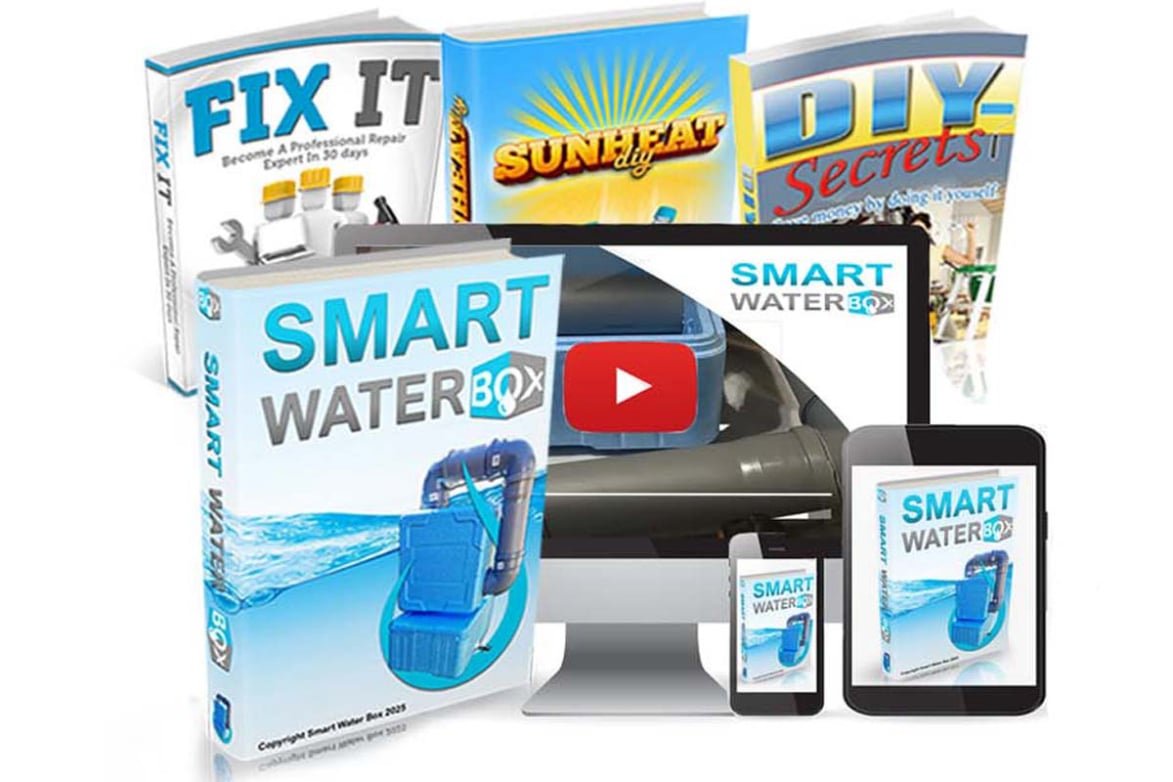
The exact parts depend on the design you choose. Use the guide's actual materials list and verify that each component is suitable for your intended system.
Depending on the design, a system may need airflow components, a suitable condensation mechanism, and correctly sized connections. Confirm the required specifications before buying parts.
Collected water requires appropriate food-contact materials, hygienic containers, and a storage plan that helps prevent contamination during use.
Assess energy needs, safe electrical installation, ambient humidity, temperature, airflow, and the availability of power before expecting a particular output.
Do not assume condensed water is potable. Choose appropriate treatment and obtain suitable water-quality testing before using the output for drinking or cooking.
A DIY AWG guide may help you explore an alternative approach to water collection. Its usefulness depends on your circumstances, expectations, and the feasibility of the design.
View the Official GuideLearn the basic principles behind collecting moisture from air as one option to research alongside established water sources.
Reviewing the proposed process and parts can help you identify costs, technical questions, and practical constraints early.
Consider whether local humidity, temperature, energy availability, and maintenance needs make this type of system practical for your setting.
Build water treatment, clean storage, and appropriate testing into the plan rather than assuming collection alone makes water safe to drink.
A realistic assessment helps you decide whether a guide-led DIY water project matches your budget, environment, and technical needs.
Visit the official website to review the guide, understand what is included, and evaluate whether the proposed DIY approach fits your project and local conditions.
Visit the Official WebsiteReview all product details, costs, requirements, and terms before purchasing.
Get a clearer picture of the Smart Water Box guide and the practical questions to consider before starting an atmospheric water project.